Why LED Strip Lights Should Use Aluminium Profiles
LED strip lights are a popular choice for modern homes, offices, shops and commercial spaces. They create clean lines of light and suit many different lighting designs. However, installing LED strip lights without the right mounting system can affect their appearance, performance and lifespan.
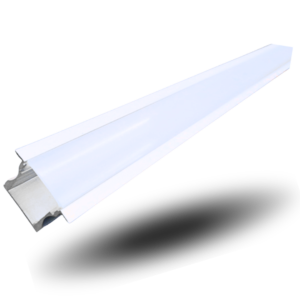
An LED strip aluminium profile helps create a professional finish while protecting the LED strip and supporting heat dissipation. Whether you are lighting a kitchen, ceiling, staircase or commercial fit-out, an aluminium profile can improve the final result.
In this guide, we explain why aluminium profiles are important, how to choose the right type and what to consider when installing LED strip lighting.
1. Better Heat Dissipation for LED Strip Lights
One of the main benefits of an aluminium profile is heat management. LED strip lights produce heat during operation, especially high-power strips such as 15W/m and 20W/m models.
Aluminium conducts heat away from the LED strip more effectively than many other common mounting materials. This helps manage operating temperatures when the profile is correctly sized and installed.
Excessive heat can shorten LED life and affect light output. Therefore, using a suitable aluminium profile is particularly important for higher-power LED strips.
For the best result, choose a profile that suits the strip’s wattage and follow the manufacturer’s installation requirements.
2. Create Smooth, Dot-Free Lighting
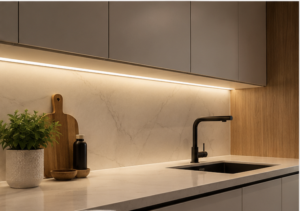
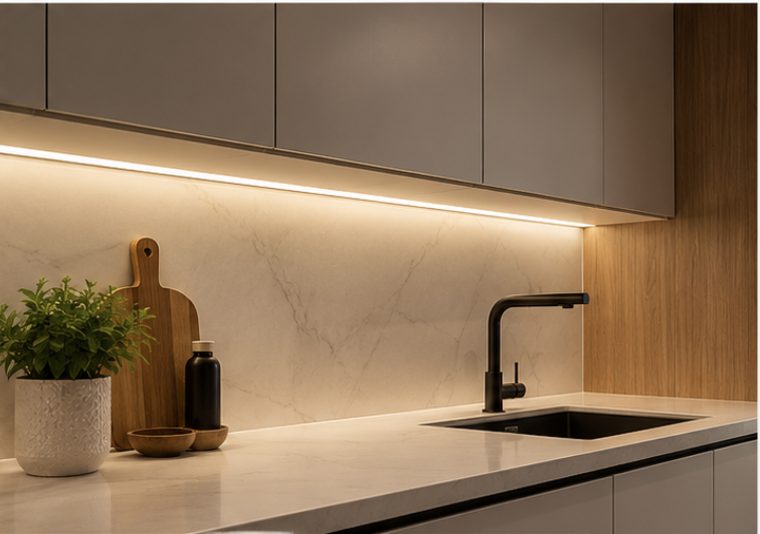
Visible LED dots can make a lighting installation look uneven. This is especially noticeable when LED strips are installed under kitchen cabinets, inside display shelves or along ceilings.
An LED strip aluminium profile can include a diffuser that softens the light and creates a more uniform appearance.
For smoother illumination, consider these options:
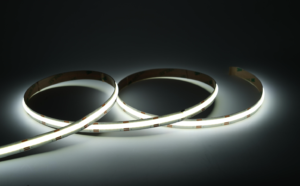
- COB LED strip lights: These produce a continuous-looking line of light with minimal visible spotting.
- Opal diffusers: These help soften the light from LED strips.
- Deeper aluminium profiles: These can increase the distance between the LED strip and diffuser, helping reduce visible hotspots.
- Suitable LED strip density: Choose a strip that suits the profile depth and desired lighting effect.
The final result depends on the LED strip, diffuser type, profile depth and viewing distance. Not every profile will create completely dot-free lighting.
3. Protect LED Strips from Physical Damage
LED strips are flexible and relatively delicate. Exposed strips can be damaged by accidental contact, dust or repeated cleaning.
An aluminium profile provides a more secure mounting channel and helps protect the strip from everyday physical contact. A diffuser can add another layer of protection.
This is useful in areas such as:
- Kitchen cabinets and benchtops
- Wardrobes and display shelves
- Staircases and hallways
- Retail displays
- Offices and commercial interiors
Keep in mind that a standard aluminium profile is not waterproof. Outdoor or wet-area installations require a suitable LED strip, appropriate connectors and a properly rated installation system.
4. Achieve a Clean, Professional Finish
An aluminium profile does more than hold an LED strip in place. It helps create a neat and consistent lighting installation.
Instead of sticking an LED strip directly onto a visible surface, you can mount it inside a profile to achieve a more refined appearance.
Different profiles suit different applications.
Surface-Mounted Aluminium Profiles
Surface-mounted profiles are fixed directly onto a surface. They work well under kitchen cabinets, inside wardrobes, on shelves and along walls.
They are a practical option when you want to add lighting without major building work.
Recessed Aluminium Profiles
Recessed profiles sit inside a prepared channel or cut-out. They create a low-profile appearance and suit ceilings, cabinetry and modern interior designs.
The required cut-out depends on the selected profile, so check its dimensions before installation.
Plaster-In Aluminium Profiles
Plaster-in profiles are designed to integrate with plasterboard walls or ceilings. Once installed and finished correctly, they can create a seamless architectural line of light.
These profiles are popular for recessed ceiling details, feature walls and contemporary commercial interiors.
Before purchasing, confirm the profile dimensions, plasterboard thickness and installation requirements with your installer.
5. Choose the Right LED Strip Aluminium Profile
Selecting the correct profile is important for both performance and appearance. Consider the following factors before making a purchase.
Profile dimensions: Check the internal width, depth and external dimensions. The profile must accommodate your LED strip and any required spacing.
LED strip wattage: Higher-wattage strips generally need more careful heat management. Confirm that the profile is suitable for your selected strip.
Diffuser type: Clear diffusers allow more direct light through, while frosted or opal diffusers soften the output. The best choice depends on the desired appearance and brightness.
Installation method: Choose surface-mounted, recessed or plaster-in profiles according to your project.
Indoor or outdoor use: Standard profiles are not automatically suitable for wet or outdoor environments. Check the ratings of the complete installation, including the LED strip and electrical connections.
Colour and finish: Aluminium finishes and diffuser colours can influence how the lighting system looks when switched off.
Choosing the right combination of profile and LED strip helps you achieve the intended lighting effect without unnecessary installation changes.
6. Aluminium Profiles Work Well with COB LED Strip Lights
COB LED strip lights are designed to provide a smooth line of light with minimal visible dots. When combined with a suitable aluminium profile, they can create an attractive lighting solution for modern interiors.
This combination is particularly useful for:
- Kitchen under-cabinet lighting
- Recessed ceiling lighting
- Wardrobes and shelving
- Staircase lighting
- Retail displays
- Architectural feature lighting
For example, a 24V COB LED strip can be installed in a suitable aluminium profile to provide continuous-looking illumination along a cabinet or ceiling detail.
The strip’s wattage, colour temperature and profile dimensions should be selected according to the application. Higher-power strips may require additional attention to heat dissipation and power-feed design.
7. Why Buy LED Strip Lights and Aluminium Profiles Together?
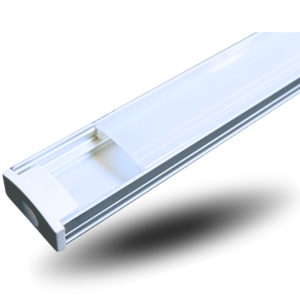
Buying compatible LED strip lights and aluminium profiles together makes it easier to plan your installation.
You can check the strip width, profile dimensions, diffuser compatibility and mounting method before work begins. This can help reduce fitting issues and create a more consistent result.
At Vesta Lines Lighting, you can explore LED strip lighting options for residential, commercial and architectural projects, alongside suitable lighting accessories.
When planning your system, consider the following components:
- LED strip lights in a suitable wattage and colour temperature
- Aluminium profiles and compatible diffusers
- A correctly sized LED driver or power supply
- Compatible controllers and dimmers, where required
- Suitable connectors, cables and mounting accessories
Make sure the driver matches the strip’s voltage and total power requirements. For longer runs, plan the electrical feeds carefully to help maintain consistent brightness.
Frequently Asked Questions
Do LED strip lights need aluminium profiles?
Not every LED strip requires an aluminium profile. However, profiles are recommended for many permanent installations because they provide a mounting channel, improve heat transfer and help create a professional finish. Higher-power strips may particularly benefit from suitable heat management.
Do aluminium profiles make LED strip lights last longer?
They can help manage heat, which is an important factor in LED life. However, the actual lifespan also depends on strip quality, operating temperature, driver performance, installation and operating conditions.
Can I use an aluminium profile with COB LED strips?
Yes. COB LED strips can be installed in compatible aluminium profiles. Check the strip width, profile dimensions, wattage and diffuser compatibility before purchasing.
Which diffuser is best for LED strip lights?
Opal or frosted diffusers are commonly used to soften light and reduce visible hotspots. Clear diffusers generally allow more direct light through. The best choice depends on the LED strip and the appearance you want.
Are aluminium LED profiles waterproof?
No. A standard aluminium profile is not automatically waterproof. For outdoor or wet-area installations, select a suitable LED strip and ensure the complete system has the appropriate protection for the environment.
Which aluminium profile is best for plasterboard ceilings?
A plaster-in profile is a common choice for creating a seamless line of light in plasterboard ceilings. Check the profile depth, width, plasterboard thickness and installation method before selecting a model.
Conclusion
An LED strip aluminium profile can improve heat management, protect the LED strip and create a cleaner lighting finish. It is a useful addition to many residential, commercial and architectural lighting projects.
From surface-mounted profiles to recessed and plaster-in designs, choosing the right profile helps you achieve the lighting effect you want.
Explore the LED strip lighting range at Vesta Lines Lighting and choose compatible profiles, diffusers and accessories for your next project.