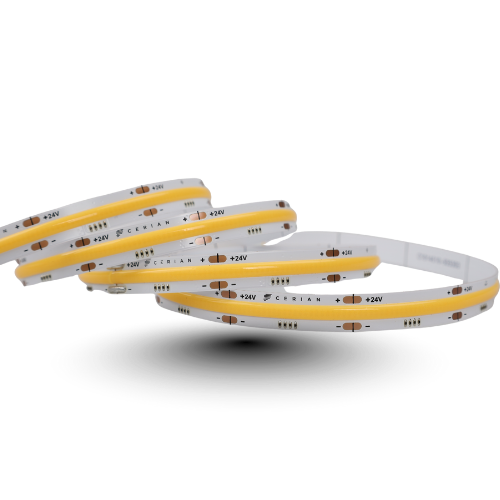
20W COB strip IP65
Certifications 20W LED COB Strip
Showing 1–8 of 8 results
Sort By
Browse Category
Price
$ -
Colour
Colour Temperature
Brand
Dimmable
Globe Base
Input Voltage
IP Rating
CRI
Showing all 8 results
-
SaleIn Stock
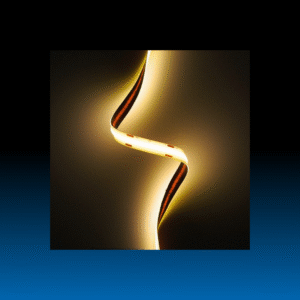
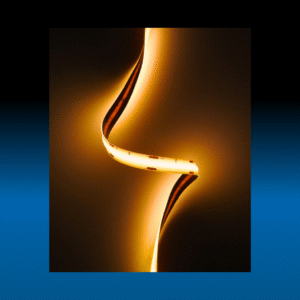
Cerian 20W Flexi LED Strip lights 3500k
Original price was: $133.10.$106.48Current price is: $106.48. (price_including_tax). (inc. GST) -
SaleIn Stock
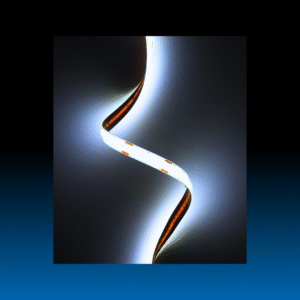
Cerian 20W Flexi LED Strip lights 6500k
Original price was: $133.10.$106.48Current price is: $106.48. (price_including_tax). (inc. GST) -
SaleIn Stock
Cerian 20W Flexi LED Strip lights 4000k
Original price was: $133.10.$106.48Current price is: $106.48. (price_including_tax). (inc. GST) -
SaleIn Stock
Cerian 20W Flexi LED Strip lights SMD 3000k
Original price was: $133.10.$106.48Current price is: $106.48. (price_including_tax). (inc. GST) -
SaleIn Stock
Cerian 20W Flexi LED Strip lights 3000k
Original price was: $133.10.$106.48Current price is: $106.48. (price_including_tax). (inc. GST) -
SaleIn Stock
Cerian 20W Flexi LED Strip lights 4000k IP65
Original price was: $159.72.$127.78Current price is: $127.78. (price_including_tax). (inc. GST) -
SaleIn Stock
Cerian 20W Flexi LED Strip lights 3000k IP65
Original price was: $159.72.$127.78Current price is: $127.78. (price_including_tax). (inc. GST) -
SaleIn Stock
20W 6500K IP65 COB LED Strip Light
Original price was: $159.72.$127.78Current price is: $127.78. (price_including_tax). (inc. GST)
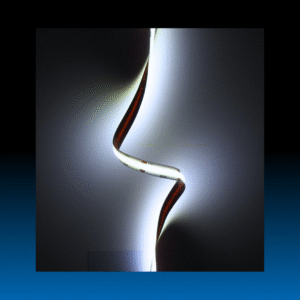

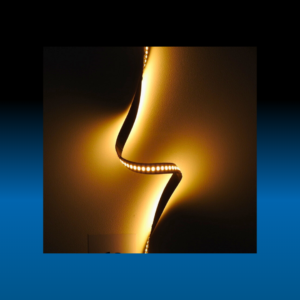

Warm LED Strip Lights & White LED Strips –
Choosing the Right Light for Your Spaces
Not all lighting decisions start with specs; most start with a feeling. You walk into
a room, and either it feels right or it doesn’t. That difference often comes down to lighting temperature
and consistency.
a room, and either it feels right or it doesn’t. That difference often comes down to lighting temperature
and consistency.
Warm LED strip lights and white LED strip options serve two very different purposes.
One creates a sense of comfort and relaxation, while the other enhances clarity and visibility. Choosing
between them isn’t about which is better; it’s about what your space truly needs. At Vesta Lines, this
balance between function and atmosphere is central to every lighting solution.
One creates a sense of comfort and relaxation, while the other enhances clarity and visibility. Choosing
between them isn’t about which is better; it’s about what your space truly needs. At Vesta Lines, this
balance between function and atmosphere is central to every lighting solution.
Where Warm Lighting Actually Works (And Where It Doesn’t)
Warm lighting is often overused in places where it shouldn’t be. It works beautifully
in bedrooms, under floating shelves, behind headboards, or along living room panels where the goal is to
soften the space.
in bedrooms, under floating shelves, behind headboards, or along living room panels where the goal is to
soften the space.
But here’s what most people get wrong: warm light in task-heavy areas like kitchens or
workstations can reduce visibility. That’s where a white LED strip becomes the smarter choice, as it gives
you sharper contrast and makes details easier to notice.
workstations can reduce visibility. That’s where a white LED strip becomes the smarter choice, as it gives
you sharper contrast and makes details easier to notice.
A practical approach many designers now use is layering. For example, warm lighting
for ambient glow, and a neutral or white LED strip for functional zones within the same room.
for ambient glow, and a neutral or white LED strip for functional zones within the same room.
What Makes COB Strips Different in Daily Use?
You’ll notice the difference immediately, not in specs, but in how the light looks.
Traditional LED strips often show dotted light patterns, especially inside profiles or reflective surfaces.
COB strips eliminate that entirely.
Traditional LED strips often show dotted light patterns, especially inside profiles or reflective surfaces.
COB strips eliminate that entirely.
Instead of multiple visible points, you get a continuous line of light. This matters
more than it sounds:
more than it sounds:
- Reflections look clean (important for glossy surfaces)
- Shadows are softer and more natural
- The space feels more finished rather than technical
This is why COB strips are now commonly used in premium interiors and retail fit-outs.
Real-World Use Cases (Not Just Generic Applications)
Instead of listing common uses, here’s how people are actually using these lights
today:
today:
In wardrobes
warm tones to avoid harsh glare early in the morning
Under kitchen cabinets:
white lighting for food prep visibility
TV units
warm backlighting to reduce eye strain
Retail shelves
white strips to maintain true product colours
And in more dynamic setups, some users combine lighting types entirely. For example,
pairing functional strips with RGBW
LED strip systems allows switching between practical lighting and mood
lighting without changing installations.
pairing functional strips with RGBW
LED strip systems allows switching between practical lighting and mood
lighting without changing installations.
When You Should Consider Other Options
Sometimes, warm or white strips alone aren’t enough.
If you’re working on exterior designs, facades, balconies, or garden edges, standard
strips won’t last. That’s where an outdoor LED strip becomes
necessary due to weather resistance and
durability.
strips won’t last. That’s where an outdoor LED strip becomes
necessary due to weather resistance and
durability.
Similarly, if your design leans toward creative or themed environments (gaming rooms,
lounges, or display zones), adding contrast through blue LED strip lights can
dramatically change the
atmosphere without increasing brightness.
lounges, or display zones), adding contrast through blue LED strip lights can
dramatically change the
atmosphere without increasing brightness.
Installation Isn’t Just Technical – It Affects Results
A lot of lighting issues don’t come from the product; they come from installation
decisions.
decisions.
For example:
- Mounting directly on uneven surfaces can create shadow breaks
- Skipping aluminium profiles can reduce lifespan due to heat buildup
- Poor power matching leads to inconsistent brightness
Even small details, like where the strip begins and ends, can significantly impact how
balanced the lighting feels within a space. This is why Vesta Lines emphasises not just product quality, but
also correct application and installation practices.
balanced the lighting feels within a space. This is why Vesta Lines emphasises not just product quality, but
also correct application and installation practices.
Certifications





Why Strip Lighting Is Growing Rapidly
There’s a reason more designers and homeowners are moving toward strip lighting
instead of traditional fixtures: it gives control.
instead of traditional fixtures: it gives control.
You’re not limited to a single point of light anymore. You can define edges, highlight
textures, and guide how a space is experienced. Warm LED strip lights and white LED strip solutions are at
the centre of that shift because they cover both ends of the lighting spectrum, comfort and clarity.
textures, and guide how a space is experienced. Warm LED strip lights and white LED strip solutions are at
the centre of that shift because they cover both ends of the lighting spectrum, comfort and clarity.
Frequently Asked Questions
2. Do COB LED strips really look better in person?
Yes, especially in visible installations. The continuous light output removes the dotted effect, making the finish look cleaner and more premium.
3. Can I mix warm and white lighting in the same room?
Yes, and it’s actually recommended. Layering both types creates a more balanced and functional lighting setup.
4. Are LED strip lights suitable for long-term use?
High-quality strips are designed for long operational life, especially when installed with proper heat management and power supply.
5. What’s the biggest mistake people make with LED strip lighting?
Choosing lighting based only on colour preference without considering how the space is used. Function should always come before aesthetics.
Final Thought
If you’re choosing between warm LED strip lights and white LED strip options,
don’t think in terms of products; think in terms of comfort and experience.
don’t think in terms of products; think in terms of comfort and experience.
Lighting isn’t just about visibility anymore. It’s about how a space feels, how it
functions, and how flexible it can be over time. When chosen correctly, strip lighting doesn’t just
illuminate a space; it defines it. Contact Vesta Lines on 02-8103 0048 for more information or to order
your strip lights.
functions, and how flexible it can be over time. When chosen correctly, strip lighting doesn’t just
illuminate a space; it defines it. Contact Vesta Lines on 02-8103 0048 for more information or to order
your strip lights.